Electric vs. diesel compact tractors: which is the best choice for your business?
Choose the best compact tractor for you
When selecting a compact tractor, you need a model that matches your business’s specific needs and daily tasks.
For years diesel tractors have been valued for their reliability and power in heavy-duty work, while electric tractors are gaining ground thanks to their sustainability and lower running costs.
Both types have unique advantages and applications. In this blog we compare the possibilities so you can make the best choice for your situation.
Diesel tractors
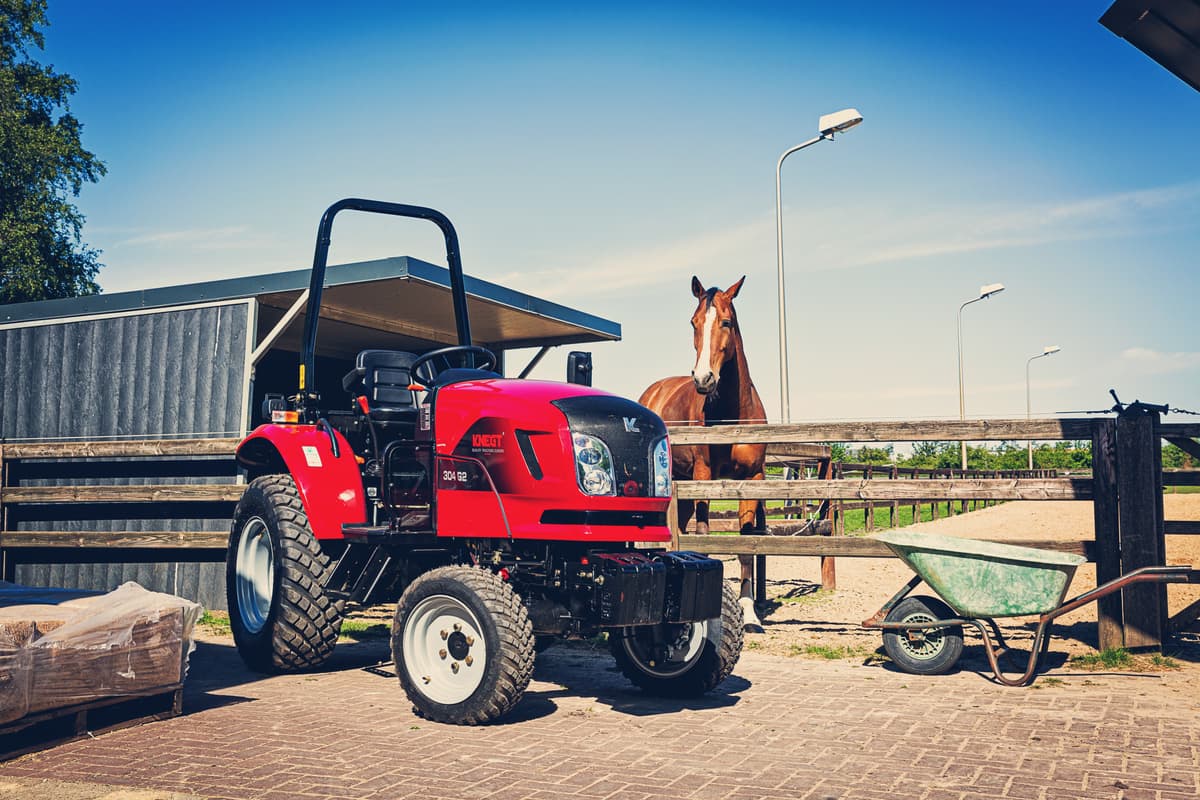
Diesel tractors are a popular choice thanks to their proven performance and reliability. Benefits of diesel models:
- Proven performance: tractors have a long history of reliability in intensive jobs like ploughing, mowing and heavy transport. Their established reputation makes them a trusted choice.
- Long working hours: diesel tractors don’t need charging and can run for hours on end. This remains a big plus in locations without electricity.
- Easy fuel supply: diesel is available worldwide, meaning you can refuel almost anywhere—handy for businesses with multiple sites, mobile operations or remote work.
Drawbacks of diesel compact tractors:
- High maintenance costs: diesel tractors require regular upkeep such as oil, filter and plug changes, which can add up to thousands of euros a year.
- Environmental impact: they emit CO₂ and other harmful substances, negatively affecting air quality—especially in enclosed spaces like greenhouses.
- Stricter emission rules: governments are tightening regulations, meaning older diesel models may no longer comply and must be replaced.
- Rising fuel prices: diesel is prone to price hikes, making running costs unpredictable.
Electric tractors
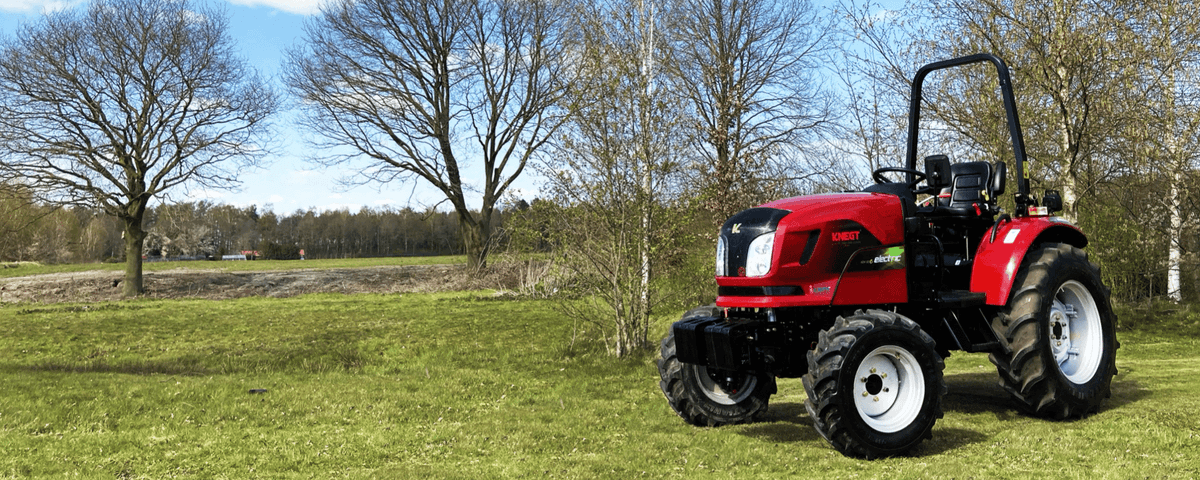
Electric tractors are growing rapidly in popularity. Besides environmental benefits, electric operation lowers your running costs. Their silent, emission-free performance makes them ideal for sectors with strict environmental demands, such as nurseries or theme parks.
Advantages:
- Emission-free work: electric tractors produce no harmful exhaust, essential for a healthier workplace and air quality—especially valuable in greenhouses or other enclosed areas.
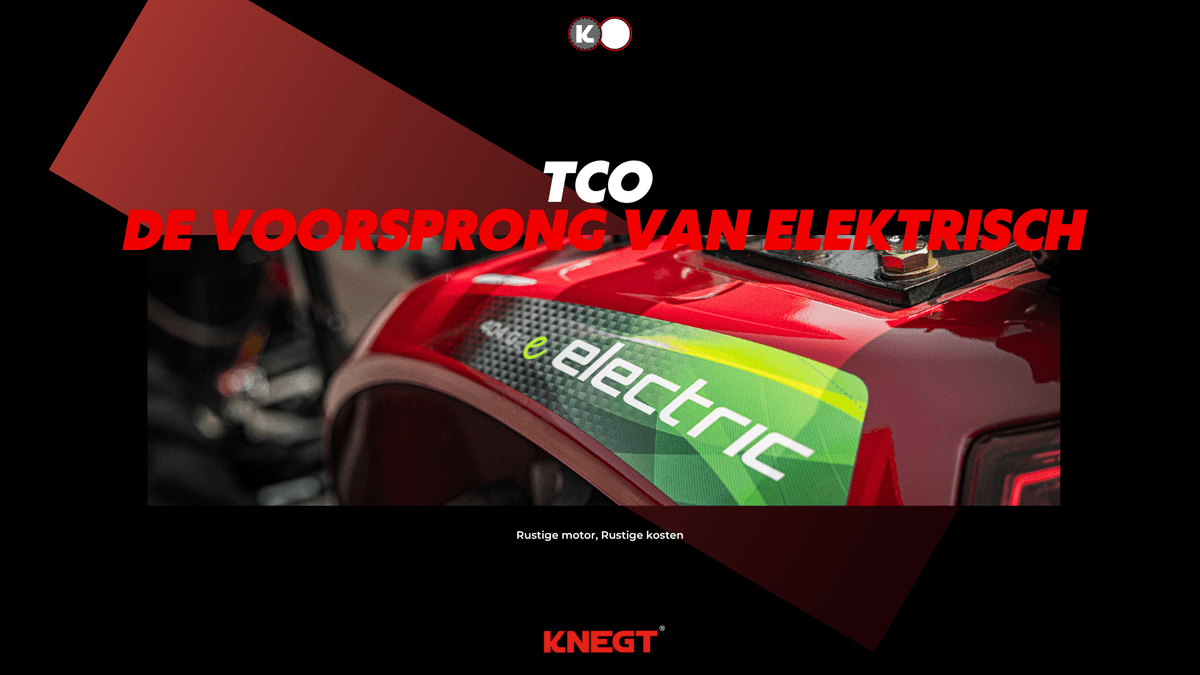
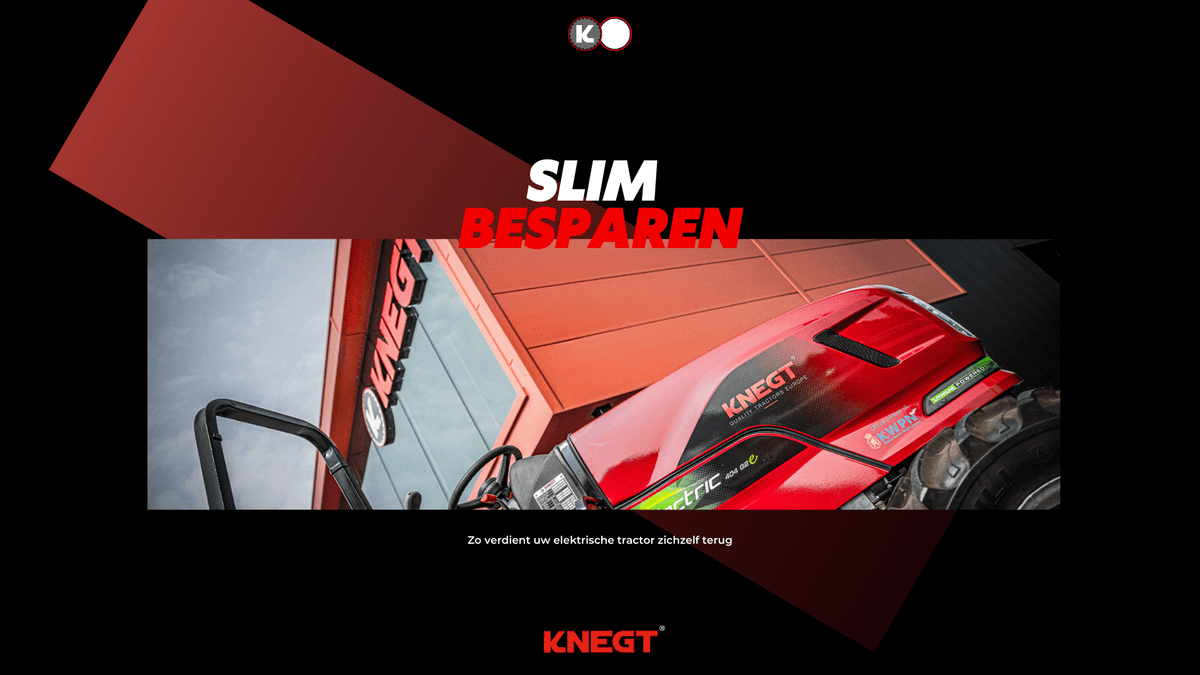
- Lower operating costs: electricity is far cheaper than diesel. An electric tractor costs roughly €1.50 per hour in energy, while a diesel model can be €5 per hour or more.
- Sustainable and eco-friendly: electric models reduce your business’s carbon footprint and support sustainable operations.
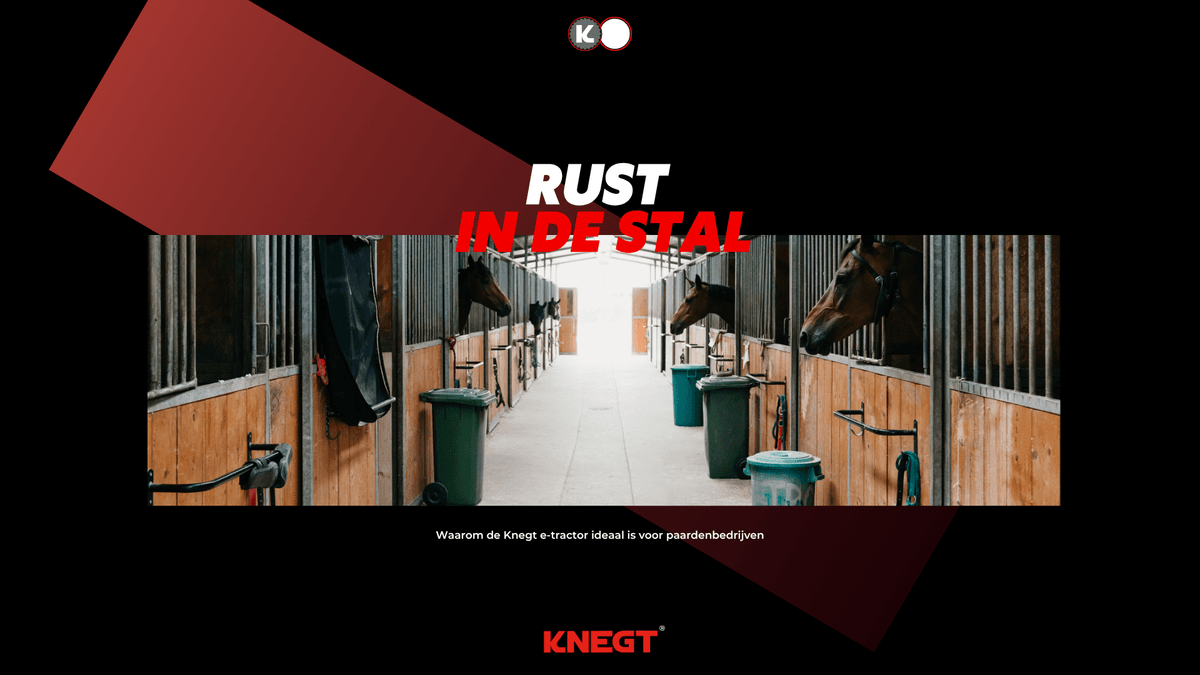
- Lower noise levels: work without disruptive engine noise—ideal in noise-sensitive environments like equine facilities or visitor attractions.
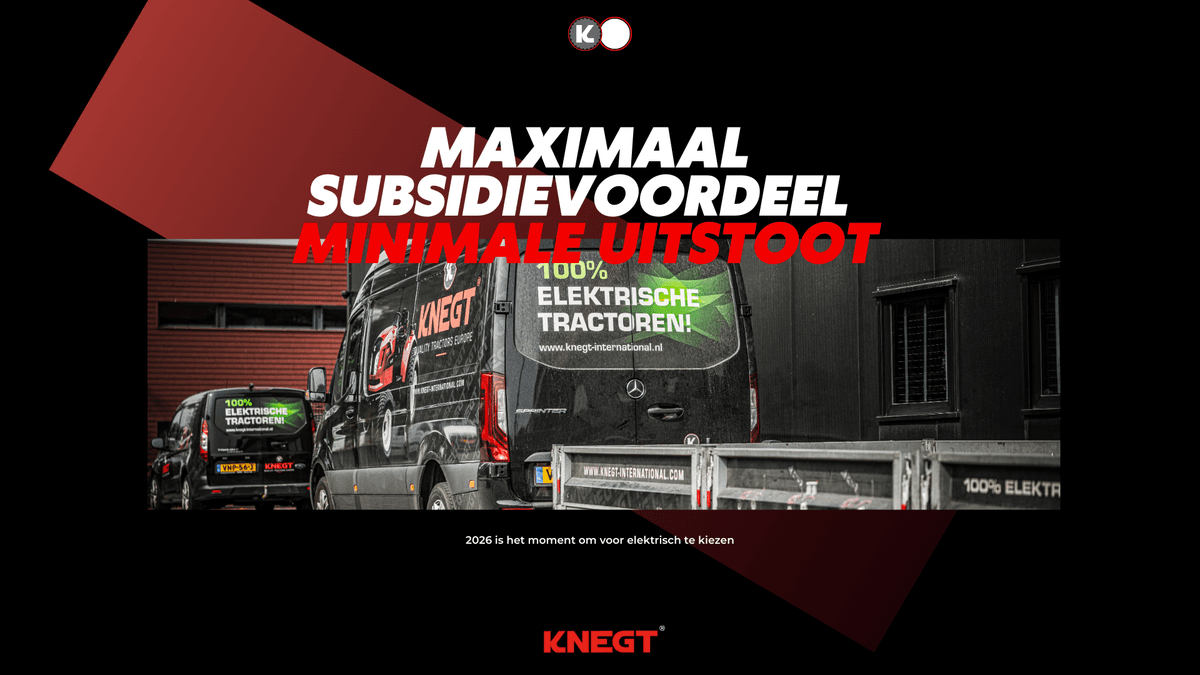
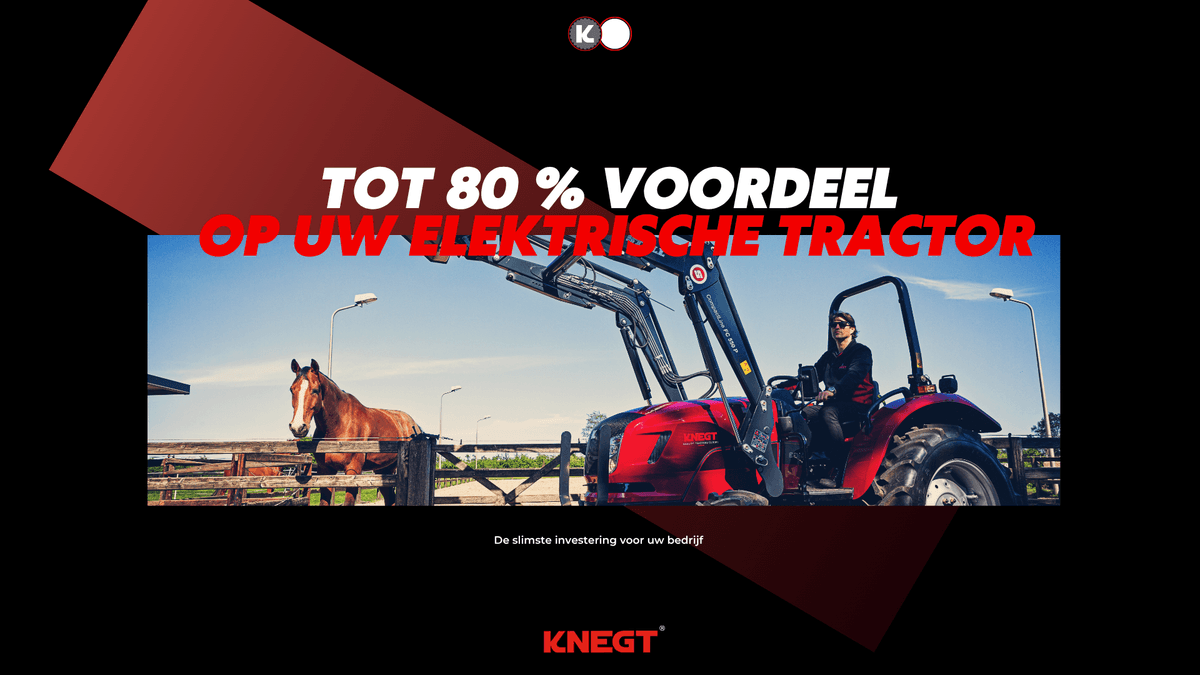
- Subsidies available: schemes such as MIA and EIA let companies reclaim up to 36% of purchase costs, making the switch financially attractive.
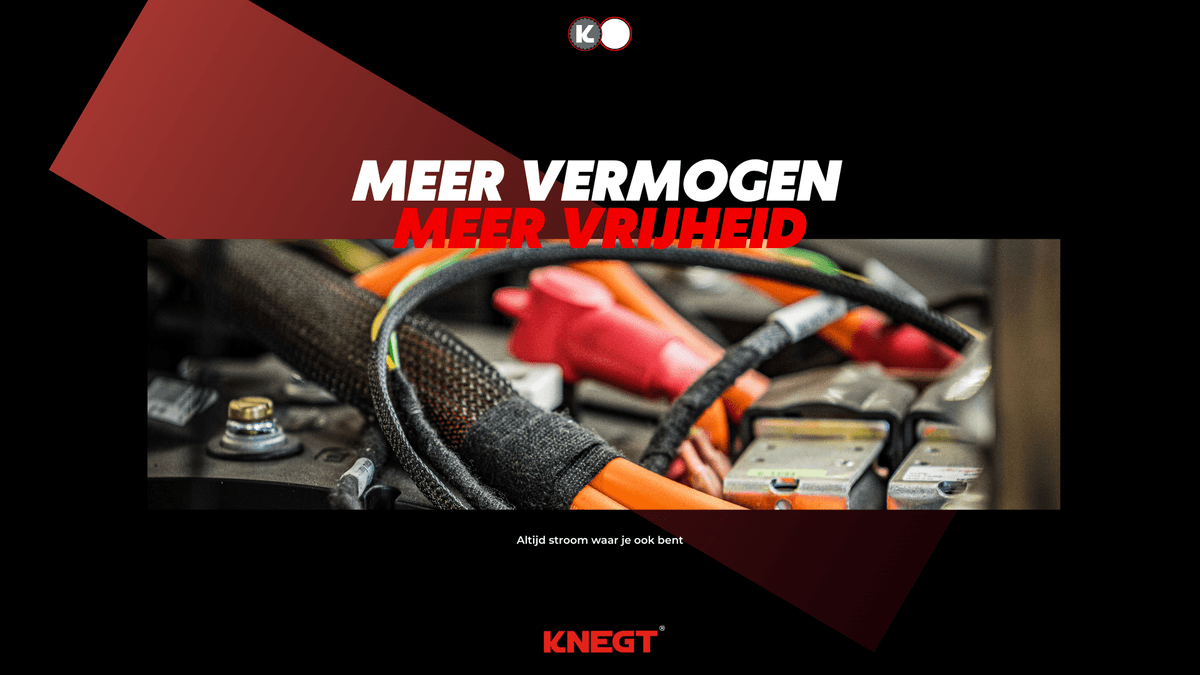
- Flexible battery options: Knegt offers extra battery packs, extending working time up to 10 hours—perfect for intensive duty cycles.
Drawbacks:
- Higher upfront cost: electric tractors have higher purchase prices—on average 20–30% more than similar diesel units. Subsidies help, but the investment may still be a hurdle.
- Charging infrastructure required: a charging station is needed, which can demand extra time and money, especially in remote locations.
- Limited battery life: without an extra pack, working time is 3–5 hours. Fast charging can reach 80% in 2.5 hours, but continuous work isn’t possible without a spare battery.
Which compact tractor suits your business?
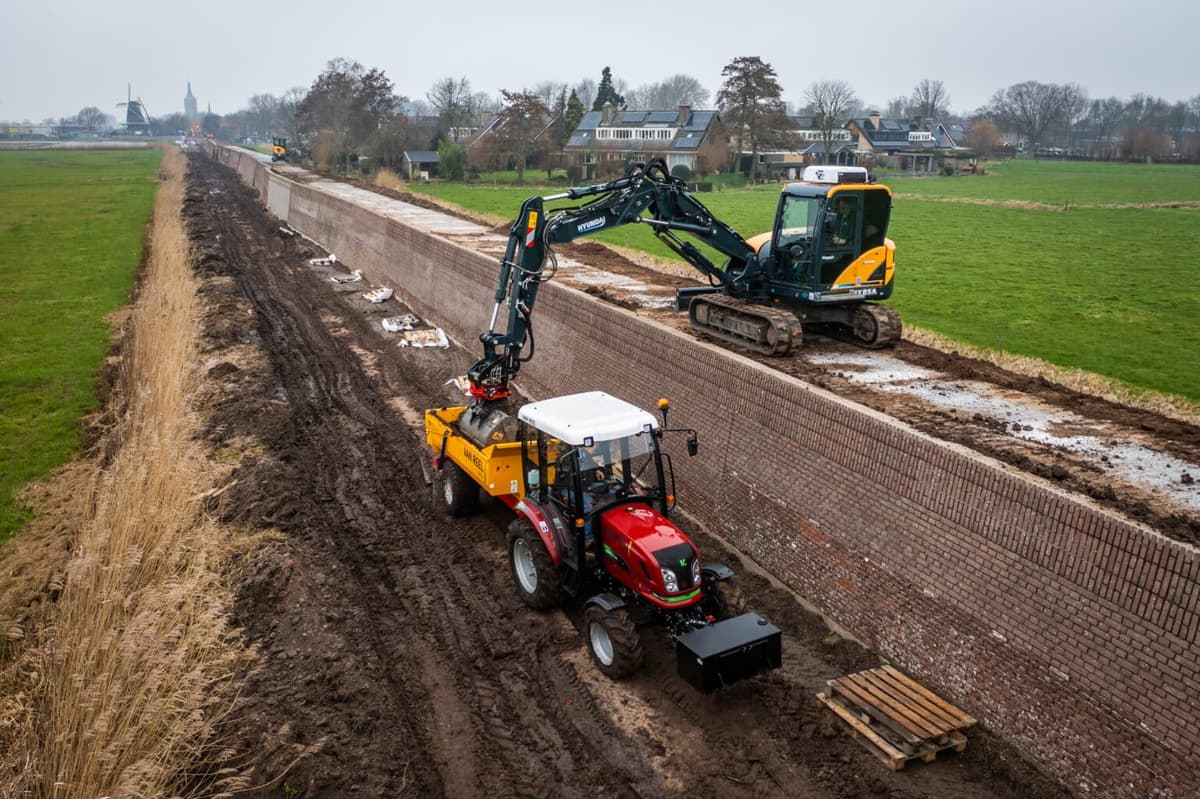
While diesel and electric tractors differ in many ways, they also share important similarities. Both are designed to perform versatile tasks such as ploughing, mowing, transporting heavy loads and earth-moving.
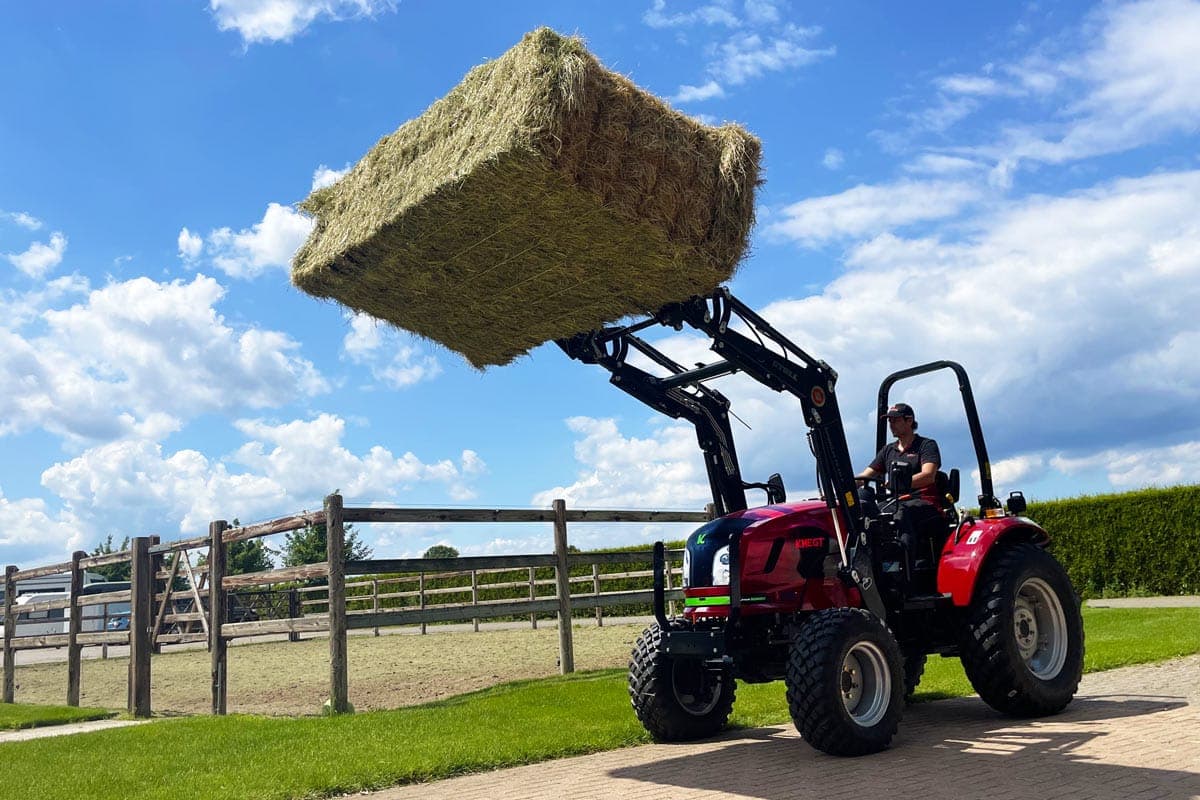
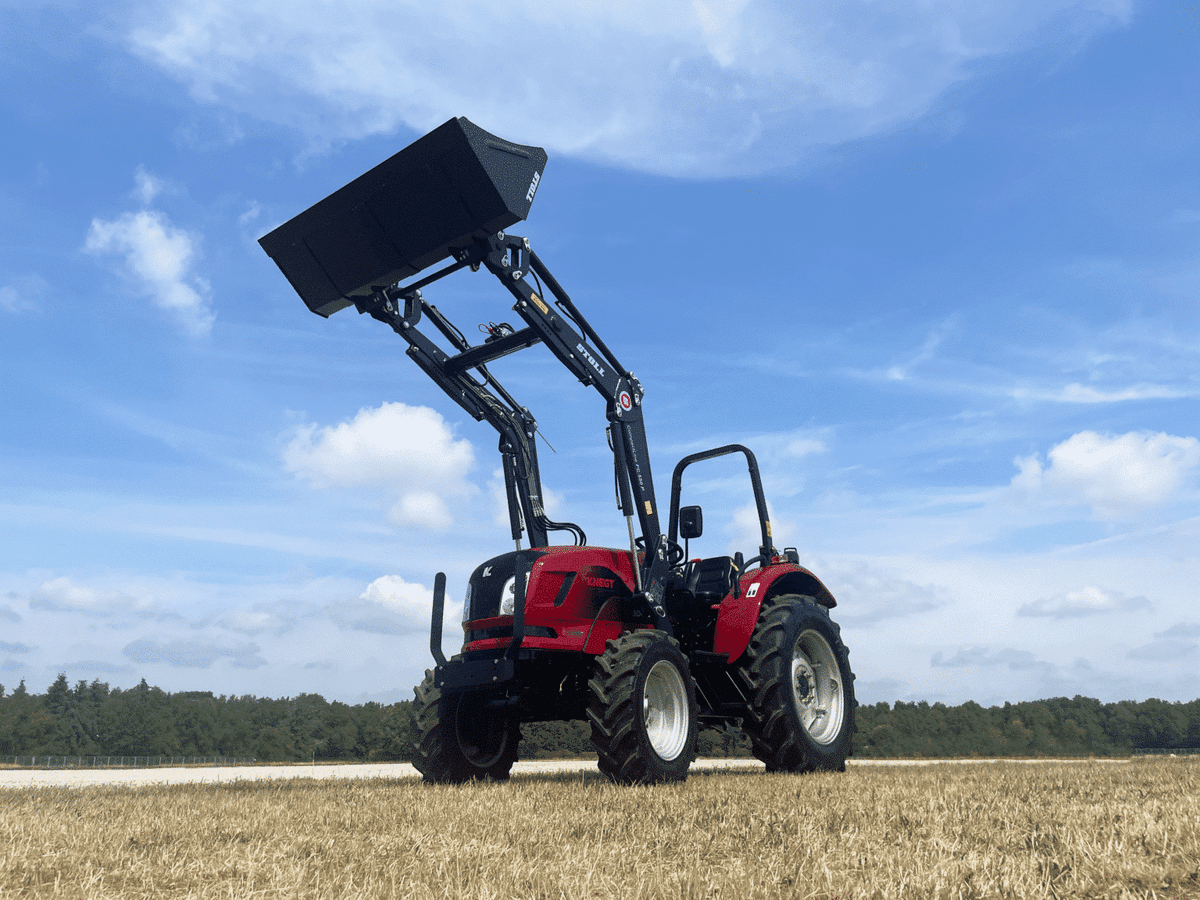
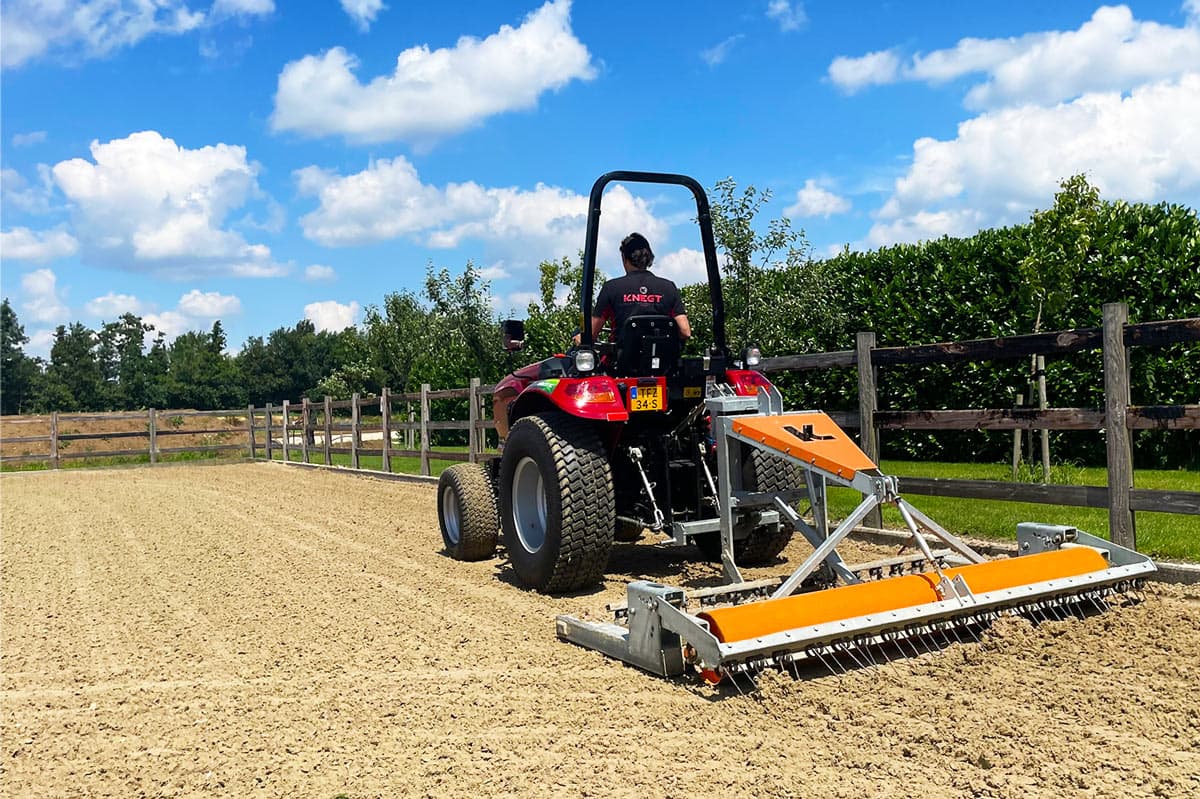
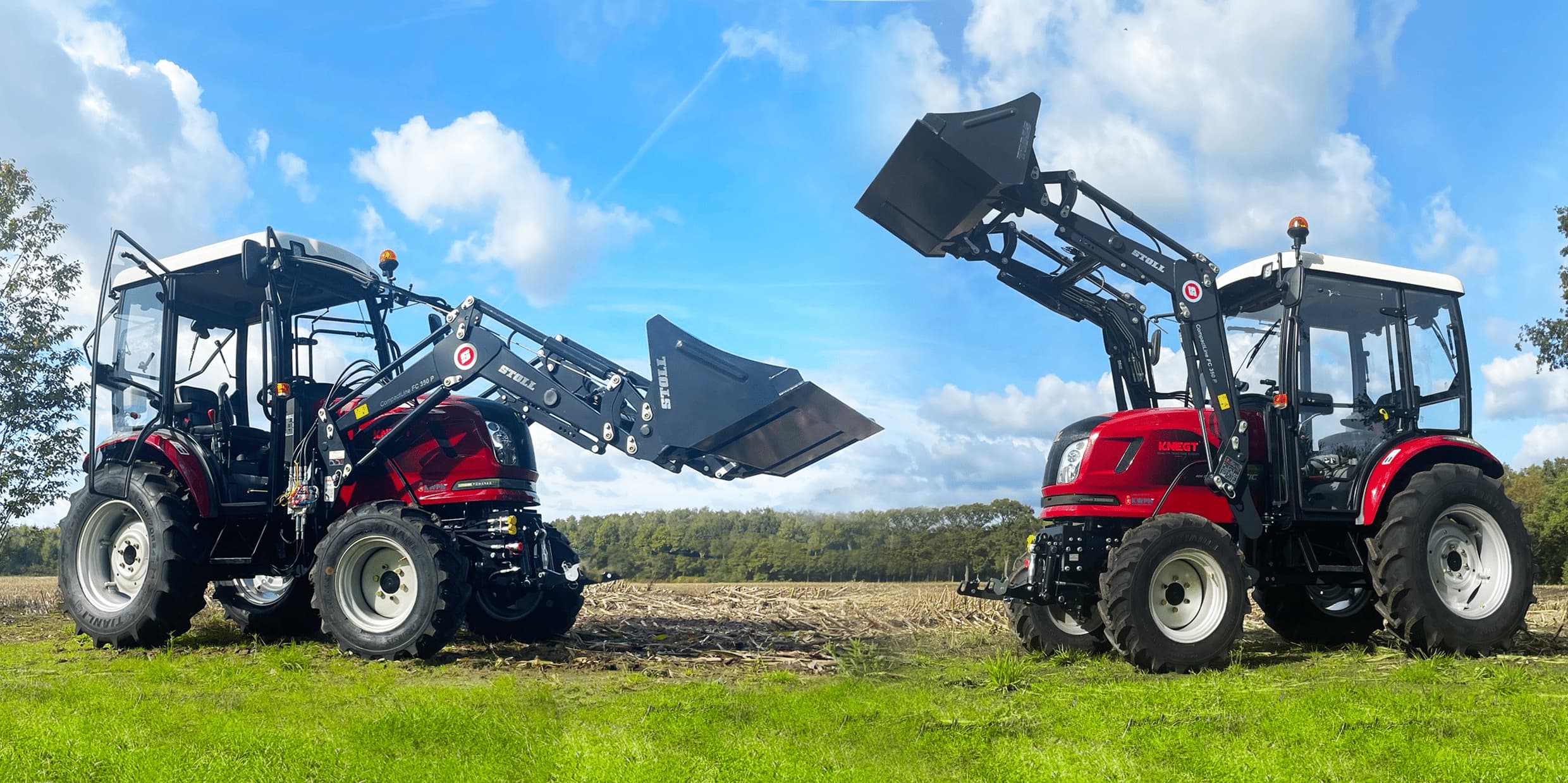
They offer strong performance and dependable endurance, making them suitable for a wide range of sectors—from livestock and nurseries to recreation parks and conservation. Both types can be fitted with various accessories and implements, so they remain broadly deployable regardless of the drive type.
Your choice between diesel and electric depends entirely on your company’s needs and priorities. Electric models stand out with lower emissions and lower total cost of ownership (TCO), making them ideal for businesses aiming to cut costs and carbon footprint.
Diesel models remain practical for long working hours or operations in areas without charging infrastructure. Both types provide reliable performance and strong solutions for diverse tasks.
Consider your long-term goals and use this blog as a guide to make the best choice.
Want to know more about Knegt tractors? Click the buttons below to view our range.